Challenges of traditional wire harness design
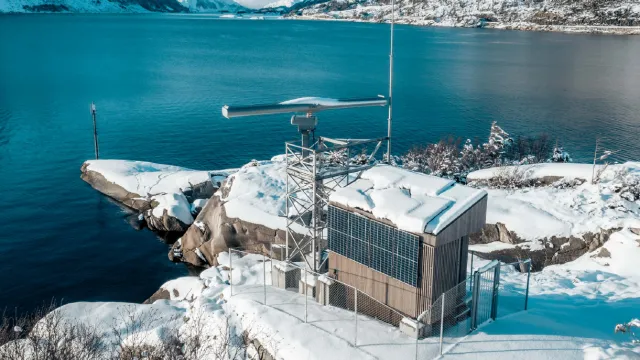
Terma develops and manufactures advanced technology for radar systems, command and control systems, electronic warfare and protective systems for military aircraft. The company also provides surveillance and security solutions for border surveillance, maritime domain awareness and critical infrastructure protection. In addition, Terma has a presence in space technology, aviation, cybersecurity and climate and energy sectors. As such, they must collaborate with global clients, including governments and industries, to deliver innovative and tailored technology solutions aimed at enhancing security, safety and efficiency across various domains.
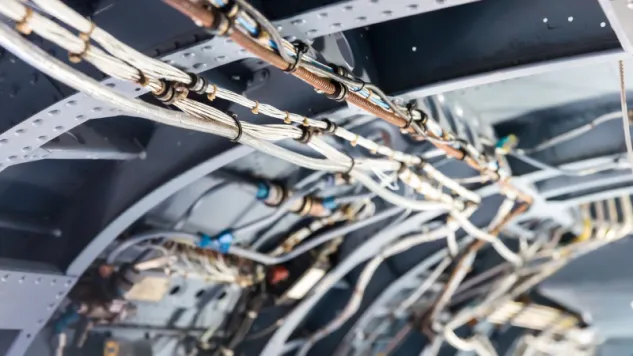
The wire harness is a crucial component of any aerospace and defense electrical system, responsible for establishing dependable electrical connections between critical components and subsystems. Its job is to ensure reliable connectivity, reduce electromagnetic interference and enhance safety, so careful consideration must be given to its design and implementation. Important factors include streamlining maintenance, optimizing weight and space, ensuring durability and meeting rigorous compliance standards.
Wire harness design is typically completed using many disconnected tools and applications. Engineering teams typically manage multiple Excel spreadsheets that document the various connections, ports, pins, wire types, part numbers, signal names, sensors and other details about the components within the wire harness. These are maintained manually – a tedious and time-consuming process that’s prone to error. What’s more, engineers must manually share this data with other team members, creating delays and frustration.
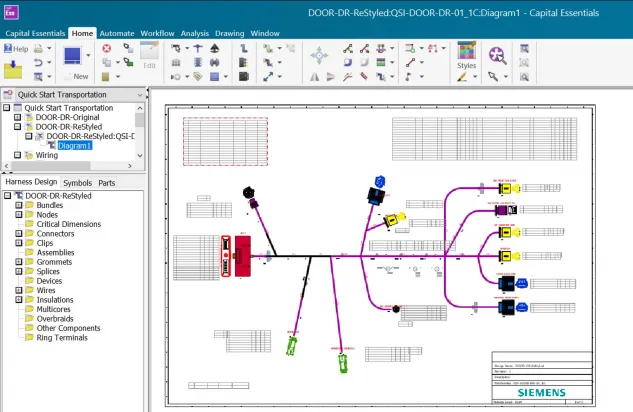
Using multiple applications to define, document, assemble and produce a wire harness makes it extremely difficult to maintain consistency or work efficiently. Not only that, if a team member leaves, important information may go missing. These challenges can further delay project completion.